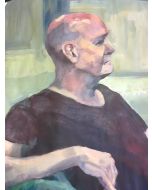
Gain an understanding of the creative journey from a drawing to finished painting. Explore the creative potential when drawing and painting activities are combined.
Learning modes and locations may be different depending on the course start date. Please check the location of your chosen course and read our guide to learning modes and locations to help you choose the right course for you.
Please note: We offer a wide variety of financial support to make courses affordable. Just visit our online Help Centre for more information on a range of topics including fees, online learning and FAQs.
During the course you will investigate the possibilities of relating drawing with painting. You will explore how the two activities contrast, yet potentially support each other. Experience the related formal language of drawing and painting approaches, and how this facilitates the progression from drawing into painting.
What will we cover?
• Exploring strategies for relating drawing to painting, including working from observation; exploring abstract marks, gesture and composition. • The role of drawn studies as an aid to preparing for a painting. • Combining drawing and painting approaches to produce a developed piece of work. • Reflecting on how drawing and painting can facilitate the development of a personal creative process. • Relevant examples of work from both historic and contemporary artists will be explored and discussed.
What will I achieve? By the end of this course you should be able to...
• Use drawing as a preliminary step towards painting. • Use drawing as a means of decision-making and problem-solving in a painting. • Identify and explore the relationships between drawn and painted marks. • Combine drawing and painting to explore and interpret your own work. • Recognise the approaches of selected artists who investigate the relationship of drawing and painted marks within their practice.
What level is the course and do I need any particular skills?
For beginners in painting with some drawing experience, or those who wish to explore the relationship between the two disciplines.
You should be able to follow verbal and written instructions, demonstrations, hand-outs and health and safety information. You may be encouraged to take short written notes for your own use and take part in group discussions.
How will I be taught, and will there be any work outside the class?
• Studio-based practical tasks • Tutor demonstrations • One to one guidance • Presentations and group discussion.
Are there any other costs? Is there anything I need to bring?
Basic materials and resources are provided as part of this course, including drawing media, acrylic paint, brushes and paper. A small notebook for making notes/sketches (no larger than A4) is advised, although not essential.
When I've finished, what course can I do next?
There are a number of courses to follow on to, including: Painting 1, Painting 2, Painting and drawing dialogues, Large-scale drawing and mixed-media, Ways into abstract painting, Ways into landscape painting..
Eleanor develops precarious and fragile forms through drawing, painting and sculpture. The abstracted forms of the sculptures are heavily influenced by drawings of architecture, organic forms and landscape. The work questions the interconnection between personal identity and place. Eleanor spent her formative years in Japan before moving to London. She completed the Drawing Year at the Royal Drawing School in 2008 and the Turps Art School’s Studio Programme in 2018. She has been teaching since 2008. Website: www.elbedlow.co.uk Instagram: @eleanorbedlow
I am an artist living and working in London, trained at Chelsea School of Art and the Slade School of Fine Art (University College London). I have shown in solo and group exhibitions around the UK and in Europe (including the Whitechapel Open and Threadneedle Painting Prize) with work in numerous private collections and featured in Drawing and Painting by Kate Wilson (Thames and Hudson, 2015) For over 30 years I have taught in a wide variety of contexts, lecturing in many British art schools, including Manchester (MA), Cheltenham (BA), Central St Martins, UAL. I have run drawing workshops for Microsoft Seattle, Microsoft Research Asia in Beijing, Electronic Arts UK, Vanguard Animation, Tell Me in Mountain View, CA and Kaos Studios (THQ) in New York amongst others. I have also taught renowned opera, television and film directors how to draw (NDAs duly signed) From 2021-22 I was the recipient of an Arts Council England Project Award to conduct research into drawing and the processing of trauma. I have tenure at City Lit where I deliver drawing and painting courses exploring how these activities alter visual perception, with a strong emphasis on thinking through doing.
Please note: We reserve the right to change our tutors from those advertised. This happens rarely, but if it does, we are unable to refund fees due to this. Our tutors may have different teaching styles; however we guarantee a consistent quality of teaching in all our courses.

product
https://www.citylit.ac.uk/drawing-into-painting135595Drawing into paintinghttps://www.citylit.ac.uk/media/catalog/product/d/r/drawing_painting_10.jpg299299GBPInStock/Courses/Courses/Art & design/Courses/Art & design/Drawing/Courses/Art & design/Drawing/Drawing techniques & processes22851132114811501228511321148Gain an understanding of the creative journey from a drawing to finished painting. Explore the creative potential when drawing and painting activities are combined. To gain an understanding of the possibilities of relating drawing to painting. To find out how the two activities contrast, yet potentially support each other. To experience drawing and painting as related formal language, and to facilitate a progression from drawing to painting.752536033Drawing into painting299299https://www.citylit.ac.uk/media/catalog/product/d/r/drawing_painting_10_20.jpgInStockEveningFriKeeley StreetAvailable courses5-10 weeksWeekday2026-06-05T00:00:00+00:00Beginners, Some experienceJun 2026Art & designVH308299299Drawing into painting239194299Eleanor Bedlowdrawing-into-painting/vh308-2526Gain an understanding of the creative journey from a drawing to finished painting. Explore the creative potential when drawing and painting activities are combined.0000-Available|2026-06-05 00:00:00During the course you will investigate the possibilities of relating drawing with painting. You will explore how the two activities contrast, yet potentially support each other. Experience the related formal language of drawing and painting approaches, and how this facilitates the progression from drawing into painting.Gain an understanding of the creative journey from a drawing to finished painting. Explore the creative potential when drawing and painting activities are combined.• Exploring strategies for relating drawing to painting, including working from observation; exploring abstract marks, gesture and composition. <br/>• The role of drawn studies as an aid to preparing for a painting. <br/>• Combining drawing and painting approaches to produce a developed piece of work.<br/>• Reflecting on how drawing and painting can facilitate the development of a personal creative process. <br/>• Relevant examples of work from both historic and contemporary artists will be explored and discussed.• Use drawing as a preliminary step towards painting.<br/>• Use drawing as a means of decision-making and problem-solving in a painting.<br/>• Identify and explore the relationships between drawn and painted marks.<br/>• Combine drawing and painting to explore and interpret your own work.<br/>• Recognise the approaches of selected artists who investigate the relationship of drawing and painted marks within their practice.For beginners in painting with some drawing experience, or those who wish to explore the relationship between the two disciplines.<br/><br/>You should be able to follow verbal and written instructions, demonstrations, hand-outs and health and safety information. You may be encouraged to take short written notes for your own use and take part in group discussions.• Studio-based practical tasks<br/>• Tutor demonstrations <br/>• One to one guidance <br/>• Presentations and group discussion.Basic materials and resources are provided as part of this course, including drawing media, acrylic paint, brushes and paper. A small notebook for making notes/sketches (no larger than A4) is advised, although not essential.<p>There are a number of courses to follow on to, including: Painting 1, Painting 2, Painting and drawing dialogues, Large-scale drawing and mixed-media, Ways into abstract painting, Ways into landscape painting..</p>DrawingDrawing techniques & processesvirtual3030112Drawing into painting349349https://www.citylit.ac.uk/media/catalog/product/d/r/drawing_painting_10_22.jpgInStockEveningThuKeeley StreetAvailable courses5-10 weeksWeekday2026-10-08T00:00:00+00:00Beginners, Some experienceOct 2026Art & designVM133349349Drawing into painting279227349drawing-into-painting/vm133-2627Gain an understanding of the creative journey from a drawing to finished painting. Explore the creative potential when drawing and painting activities are combined.0000-Available|2026-10-08 00:00:00During the course you will investigate the possibilities of relating drawing with painting. You will explore how the two activities contrast, yet potentially support each other. Experience the related formal language of drawing and painting approaches, and how this facilitates the progression from drawing into painting.Gain an understanding of the creative journey from a drawing to finished painting. Explore the creative potential when drawing and painting activities are combined.<ul><li>The role of drawn studies as an aid to preparing for a painting.</li><li>Strategies for relating drawing to painting (including working from observation): exploring abstract marks, gesture and composition.</li><li>Combining drawing and painting approaches to produce a developed piece of work.</li><li>Reflecting on how drawing and painting can facilitate the development of a personal creative process.</li><li>Relevant examples of work from both historic and contemporary artists will be explored and discussed.</li></ul>• Use drawing as a preliminary step towards painting.<br/>• Use drawing as a means of decision-making and problem-solving in a painting.<br/>• Identify and explore the relationships between drawn and painted marks.<br/>• Combine drawing and painting to explore and interpret your own work.<br/>• Recognise the approaches of selected artists who investigate the relationship of drawing and painted marks within their practice.For beginners in painting with some drawing experience, or those who wish to explore the relationship between the two disciplines.<br/><br/>You should be able to follow verbal and written instructions, demonstrations, hand-outs and health and safety information. You may be encouraged to take short written notes for your own use and take part in group discussions.• Studio-based practical tasks<br/>• Tutor demonstrations <br/>• One to one guidance <br/>• Presentations and group discussion.Basic materials and resources are provided as part of this course, including drawing media, acrylic paint, brushes and paper. A small notebook for making notes/sketches (no larger than A4) is advised, although not essential.<p>Depending on your interests there are a number of courses to follow on to, including: <em>Painting 1</em>, <em>Painting 2</em>, <em>Painting and drawing dialogues</em>, <em>Large-scale drawing and mixed-media</em>, <em>Ways into abstract painting</em>, <em>Ways into landscape painting</em>.</p>DrawingDrawing techniques & processesvirtual3030118Drawing into painting429429https://www.citylit.ac.uk/media/catalog/product/d/r/drawing_painting_10_21.jpgInStockDaytimeThuKeeley StreetAvailable courses1 to 4 weeksWeekday2026-09-10T00:00:00+00:00Beginners, Some experienceSep 2026Art & designVM501429429Drawing into painting343279429Tony Hulldrawing-into-painting/vm501-2627Gain an understanding of the creative journey from a drawing to finished painting. Explore the creative potential when drawing and painting activities are combined.0000-Available|2026-09-10 00:00:00During the course you will investigate the possibilities of relating drawing with painting. You will explore how the two activities contrast, yet potentially support each other. Experience the related formal language of drawing and painting approaches, and how this facilitates the progression from drawing into painting.Gain an understanding of the creative journey from a drawing to finished painting. Explore the creative potential when drawing and painting activities are combined.<ul><li>The role of drawn studies as an aid to preparing for a painting.</li><li>Strategies for relating drawing to painting (including working from observation): exploring abstract marks, gesture and composition.</li><li>Combining drawing and painting approaches to produce a developed piece of work.</li><li>Reflecting on how drawing and painting can facilitate the development of a personal creative process.</li><li>Relevant examples of work from both historic and contemporary artists will be explored and discussed.</li></ul>• Use drawing as a preliminary step towards painting.<br/>• Use drawing as a means of decision-making and problem-solving in a painting.<br/>• Identify and explore the relationships between drawn and painted marks.<br/>• Combine drawing and painting to explore and interpret your own work.<br/>• Recognise the approaches of selected artists who investigate the relationship of drawing and painted marks within their practice.For beginners in painting with some drawing experience, or those who wish to explore the relationship between the two disciplines.<br/><br/>You should be able to follow verbal and written instructions, demonstrations, hand-outs and health and safety information. You may be encouraged to take short written notes for your own use and take part in group discussions.• Studio-based practical tasks<br/>• Tutor demonstrations <br/>• One to one guidance <br/>• Presentations and group discussion.Basic materials and resources are provided as part of this course, including drawing media, acrylic paint, brushes and paper. A small notebook for making notes/sketches (no larger than A4) is advised, although not essential.<p>Depending on your interests there are a number of courses to follow on to, including: <em>Painting 1</em>, <em>Painting 2</em>, <em>Painting and drawing dialogues</em>, <em>Large-scale drawing and mixed-media</em>, <em>Ways into abstract painting</em>, <em>Ways into landscape painting</em>.</p>DrawingDrawing techniques & processesvirtual239,279,343299,349,429194,227,279VH308,VM133,VM501NONEFri,Thu05/06/26 - 10/07/2618:00 - 21:0018:0021:006 sessions (over 6 weeks)65-10 weeks,1 to 4 weeksEvening,DaytimeWeekdayKSKeeley StreetBeginners, Some experienceAvailable courses2026-06-05T00:00:00+00:00,2026-10-08T00:00:00+00:00,2026-09-10T00:00:00+00:00Jun 2026,Oct 2026,Sep 2026Art & design299299,349,429Drawing into paintingdrawing-into-painting/vh308-2526,drawing-into-painting/vm133-2627,drawing-into-painting/vm501-2627Gain an understanding of the creative journey from a drawing to finished painting. Explore the creative potential when drawing and painting activities are combined.0000-Available|2026-06-05 00:00:00During the course you will investigate the possibilities of relating drawing with painting. You will explore how the two activities contrast, yet potentially support each other. Experience the related formal language of drawing and painting approaches, and how this facilitates the progression from drawing into painting.Gain an understanding of the creative journey from a drawing to finished painting. Explore the creative potential when drawing and painting activities are combined.• Exploring strategies for relating drawing to painting, including working from observation; exploring abstract marks, gesture and composition. <br/>• The role of drawn studies as an aid to preparing for a painting. <br/>• Combining drawing and painting approaches to produce a developed piece of work.<br/>• Reflecting on how drawing and painting can facilitate the development of a personal creative process. <br/>• Relevant examples of work from both historic and contemporary artists will be explored and discussed.,<ul><li>The role of drawn studies as an aid to preparing for a painting.</li><li>Strategies for relating drawing to painting (including working from observation): exploring abstract marks, gesture and composition.</li><li>Combining drawing and painting approaches to produce a developed piece of work.</li><li>Reflecting on how drawing and painting can facilitate the development of a personal creative process.</li><li>Relevant examples of work from both historic and contemporary artists will be explored and discussed.</li></ul>• Use drawing as a preliminary step towards painting.<br/>• Use drawing as a means of decision-making and problem-solving in a painting.<br/>• Identify and explore the relationships between drawn and painted marks.<br/>• Combine drawing and painting to explore and interpret your own work.<br/>• Recognise the approaches of selected artists who investigate the relationship of drawing and painted marks within their practice.For beginners in painting with some drawing experience, or those who wish to explore the relationship between the two disciplines.<br/><br/>You should be able to follow verbal and written instructions, demonstrations, hand-outs and health and safety information. You may be encouraged to take short written notes for your own use and take part in group discussions.• Studio-based practical tasks<br/>• Tutor demonstrations <br/>• One to one guidance <br/>• Presentations and group discussion.Basic materials and resources are provided as part of this course, including drawing media, acrylic paint, brushes and paper. A small notebook for making notes/sketches (no larger than A4) is advised, although not essential.<p>There are a number of courses to follow on to, including: Painting 1, Painting 2, Painting and drawing dialogues, Large-scale drawing and mixed-media, Ways into abstract painting, Ways into landscape painting..</p>,<p>Depending on your interests there are a number of courses to follow on to, including: <em>Painting 1</em>, <em>Painting 2</em>, <em>Painting and drawing dialogues</em>, <em>Large-scale drawing and mixed-media</em>, <em>Ways into abstract painting</em>, <em>Ways into landscape painting</em>.</p>DrawingDrawing techniques & processesconfigurable